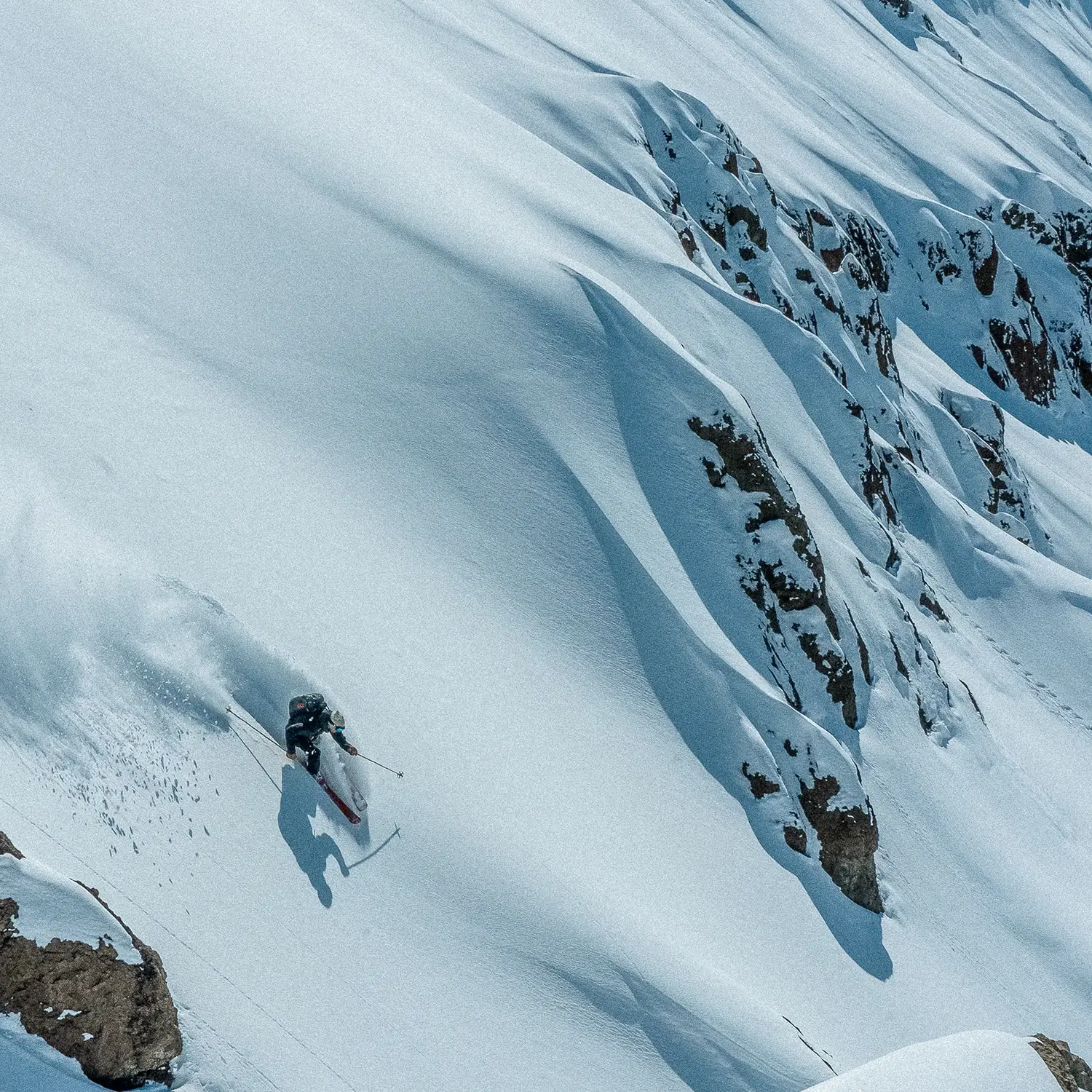
Being guided doesn’t mean being carried
A guided expedition doesn’t remove uncertainty or effort. What it adds is structure, experience and informed decision-making. Those who expect everything to be “handled for them” are often surprised. Those who engage with the process usually gain far more than just a summit.
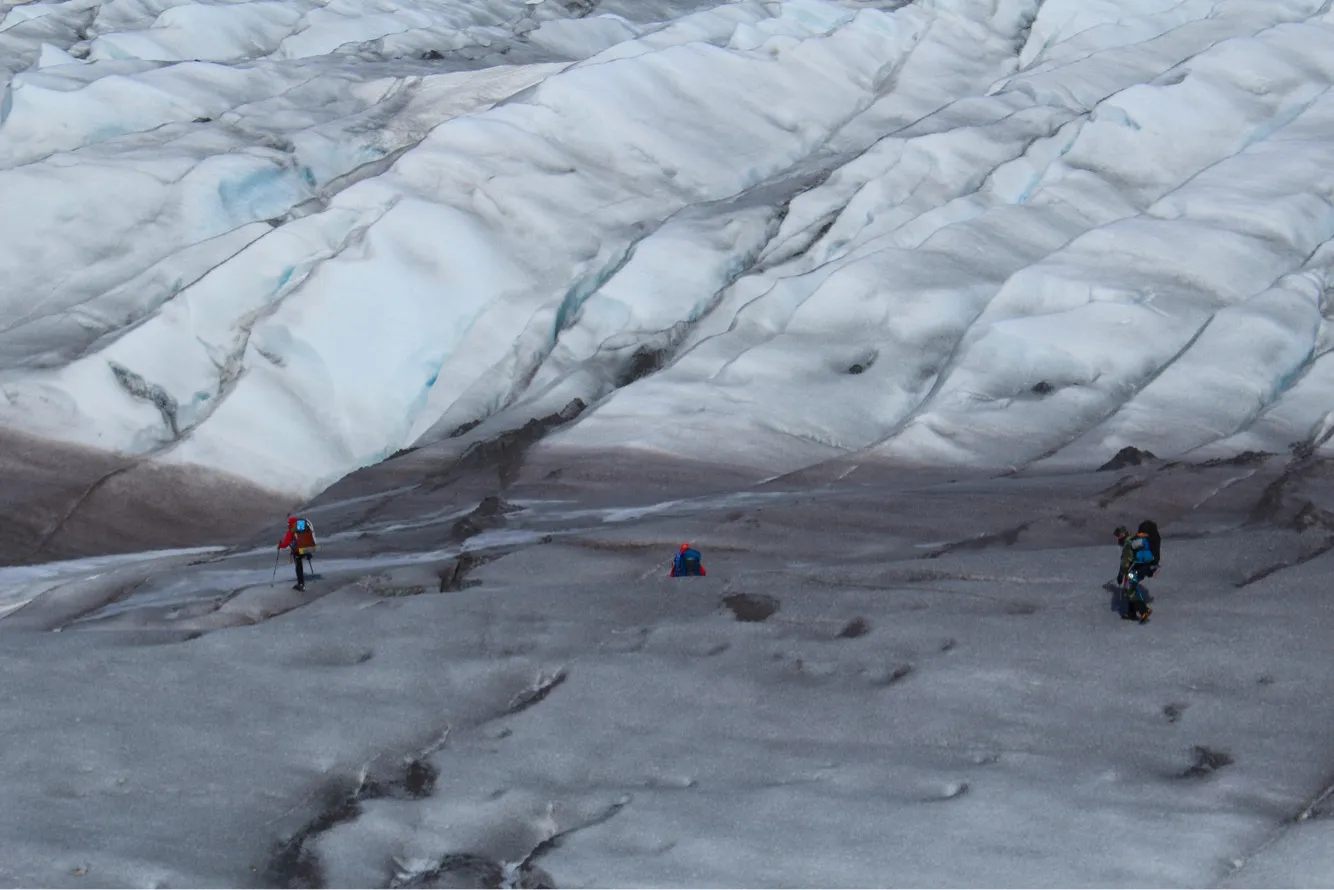
Physical preparation: keep it simple
You don’t need elite-level fitness, but you do need consistency.
What helps most:
- Aerobic endurance
- Ability to move steadily for several hours
- Basic strength in legs and core
- Familiarity with your equipment
More important than peak fitness is the ability to pace yourself day after day.
Mental preparation: the quiet foundation
High mountains demand flexibility.
Good preparation includes:
- Accepting plan changes
- Understanding turnaround decisions
- Trusting conservative choices
- Staying present rather than outcome-focused
Some of the best days in the mountains don’t end at the summit — but they still shape how you move, think and decide.
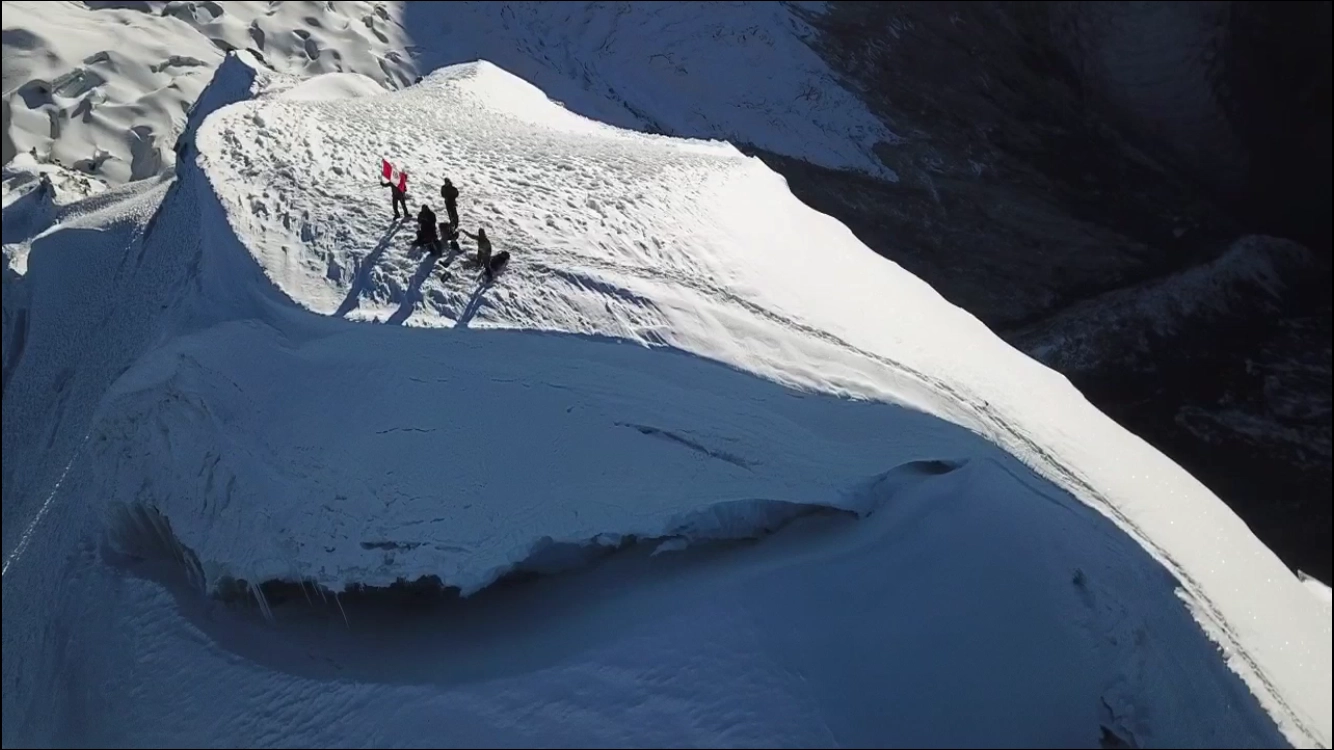
Equipment: function over fashion
Bring what works, not what impresses.
What matters:
- Well-fitted boots
- Simple, reliable layering
- A comfortable backpack
- Equipment appropriate to the objective
What matters less:
- Brands
- Latest models
- Carrying extra “just in case”
Good equipment disappears once you start moving.
The guide–client relationship
A successful expedition is built on mutual respect and communication.
The guide:
- Assesses conditions
- Sets the pace
- Manages risk
- Shares experience
The client:
- Communicates honestly
- Listens
- Learns
- Takes responsibility for themselves
When that balance works, the experience deepens naturally.
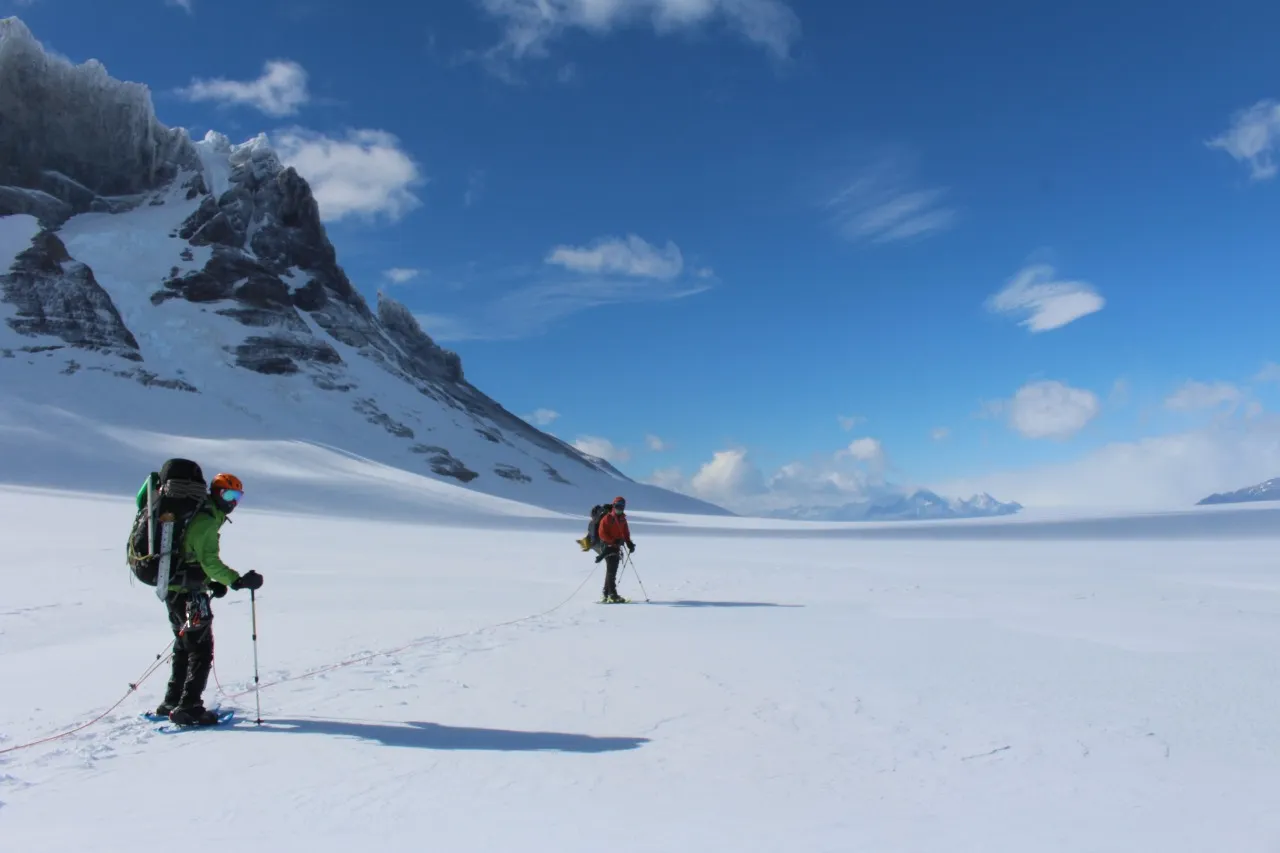
Our guided expeditions
We run expeditions in:
- The Andes
- Patagonia
- The Alps
With an emphasis on:
- Small groups
- Qualified guides
- Clear objectives
- Conservative decision-making