More than the “Yosemite of South America”
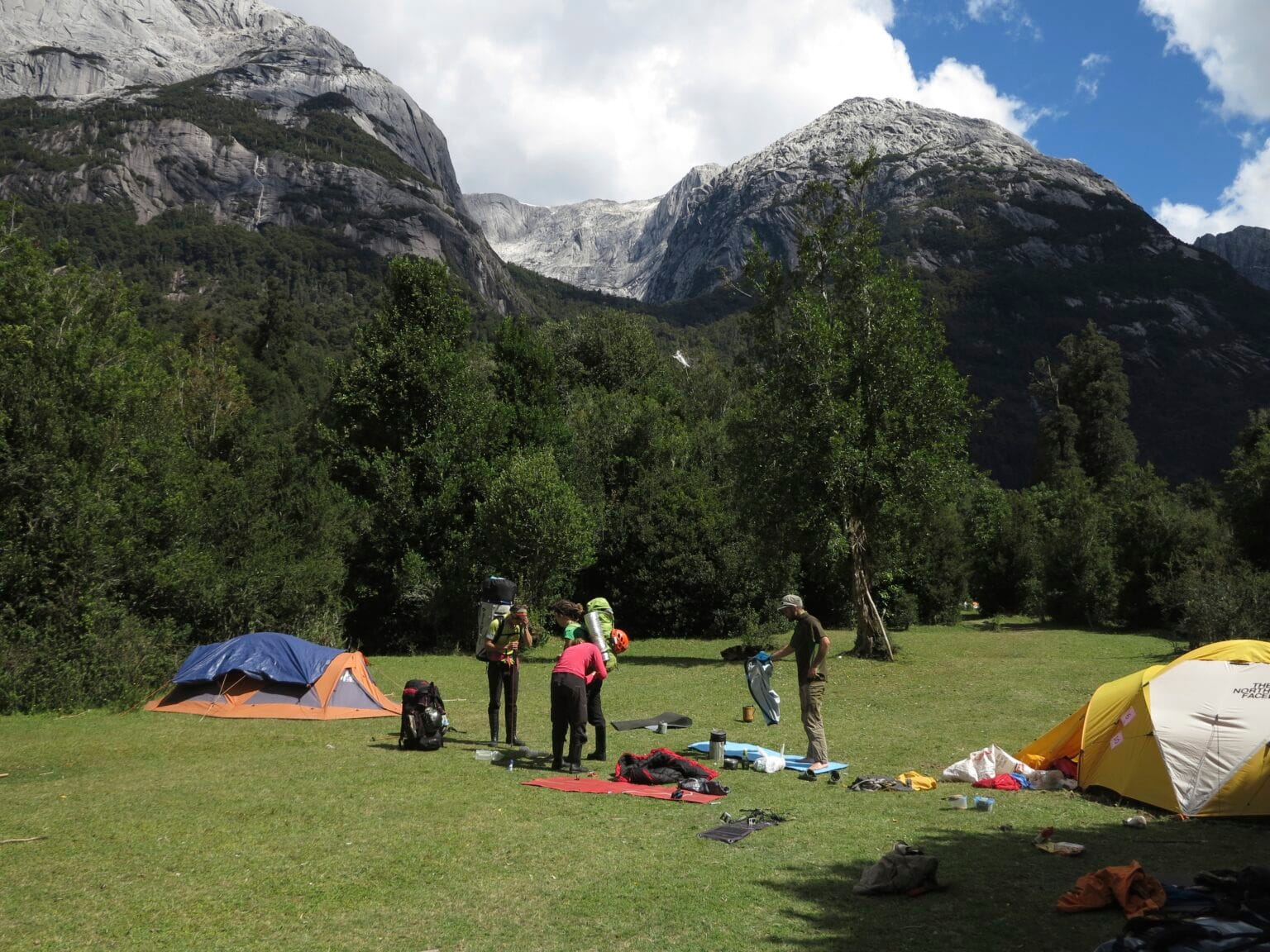
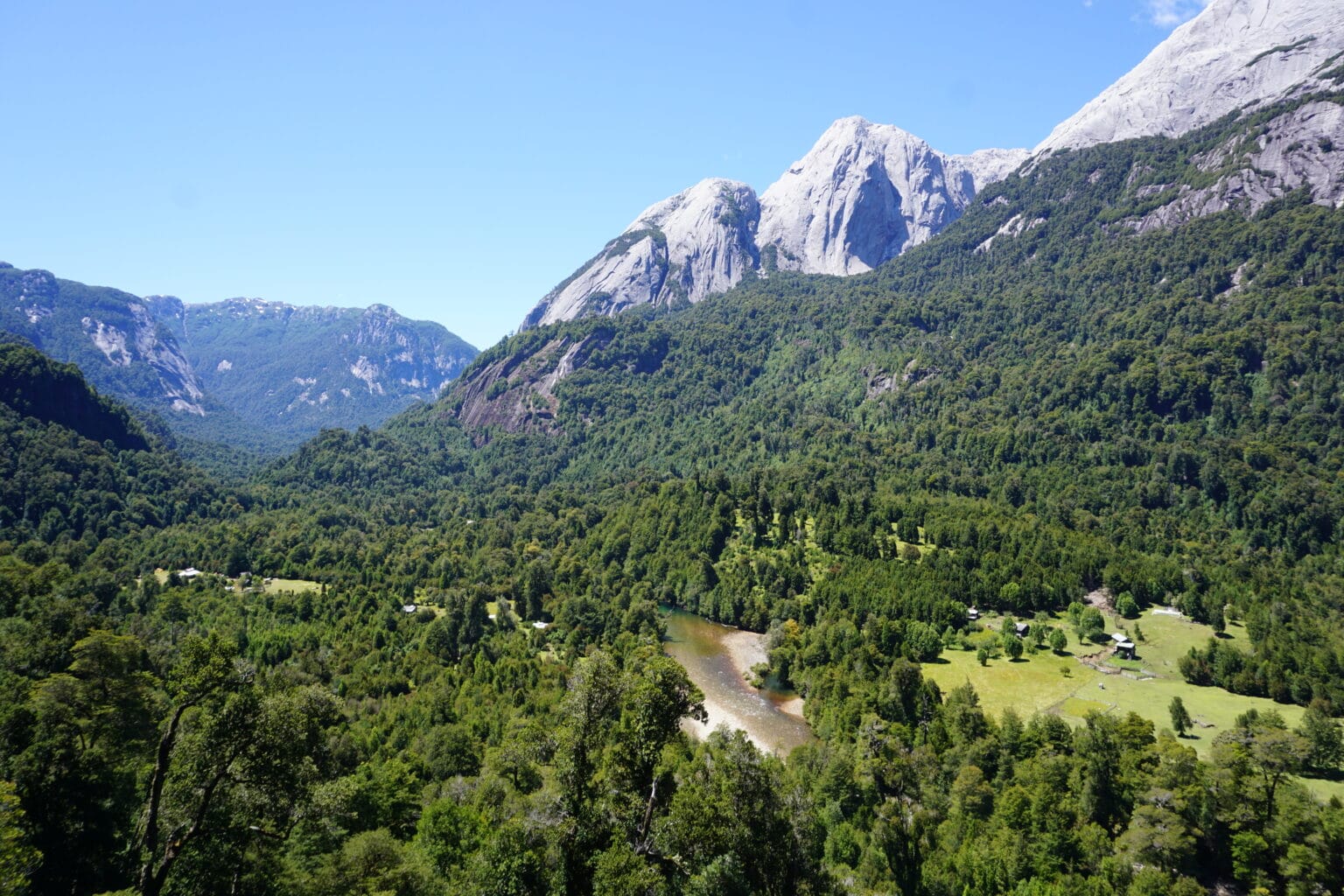
Cochamó Valley is frequently compared with Yosemite because of its enormous granite walls, rounded domes and forested valley floor. The comparison helps communicate its scale, but Cochamó has a character entirely of its own.
Located in Chile’s Los Lagos Region, the valley rises from dense temperate rainforest into a landscape of granite faces, waterfalls and remote alpine terrain. Some of its walls approach one thousand metres in height, attracting climbers from around the world to long traditional and multi-pitch routes.
Unlike a roadside climbing destination, reaching the main climbing area requires travelling into the valley on foot. There are no ski lifts, paved roads or quick returns to town once the expedition has begun.
This isolation is central to the Cochamó experience.
You are not visiting a collection of individual routes. You are entering a mountain environment where climbing objectives, logistics and daily decisions are closely connected.
What makes climbing in Cochamó different?
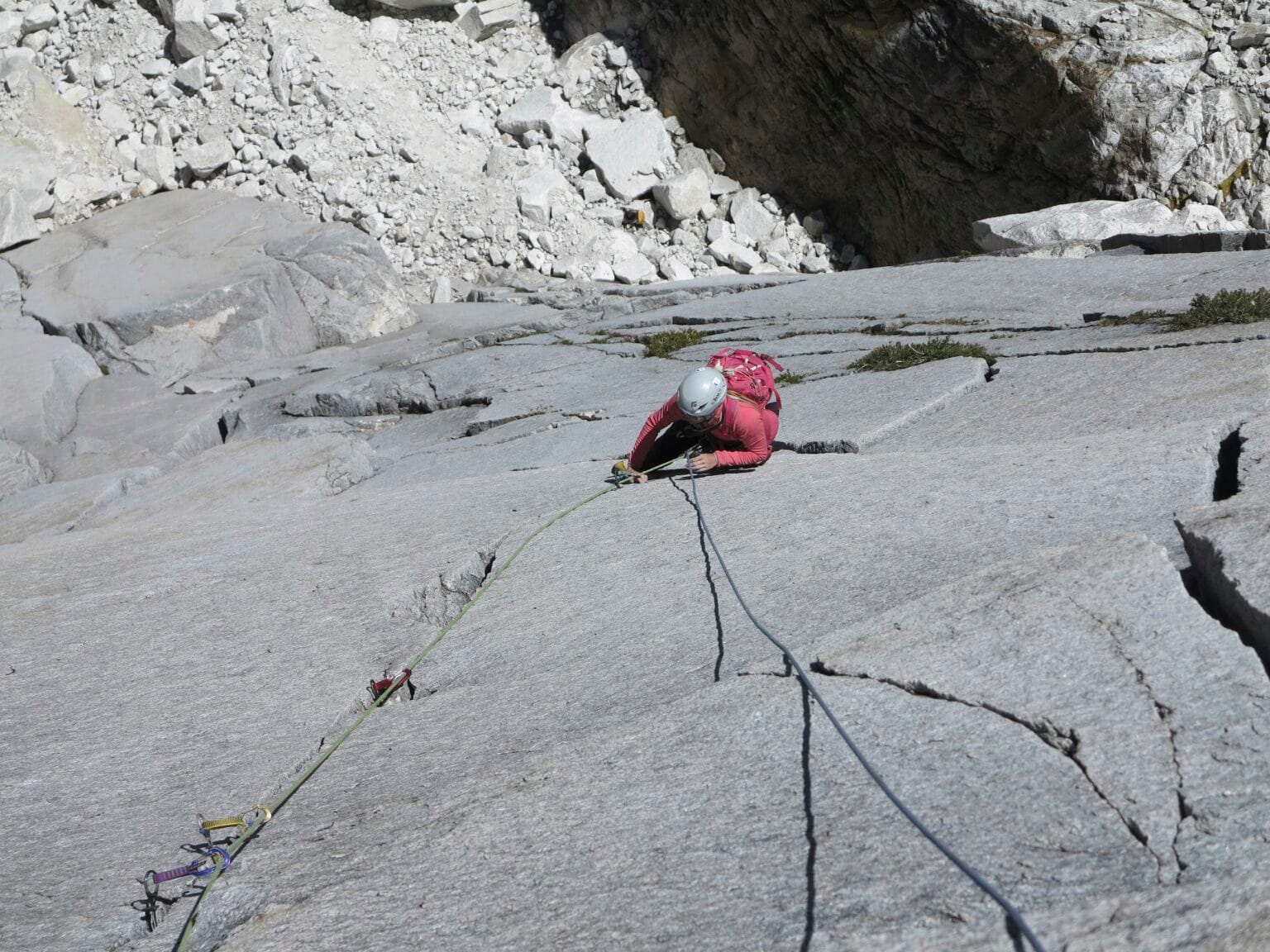
The defining feature of Cochamó is not only the quality of its granite. It is the combination of big-wall climbing and expedition-style logistics.
Climbers establish themselves in the valley for several days, study the weather and select routes according to conditions, experience and available time. Approaches can be substantial, and many routes require long, committed days away from camp.
Cochamó stands out for:
- Massive granite walls rising above native forest
- Long traditional and multi-pitch routes
- Crack systems, slabs and varied natural features
- Remote approaches and full mountain days
- Limited infrastructure inside the valley
- A strong sense of exploration and independence
The experience is slower than climbing at an easily accessible crag.
One quality route may become the central objective of an entire day—or several days when the approach, preparation and recovery are considered. The official Cochamó planning information recommends allowing meaningful time in the valley; even under favourable conditions, completing more than one or two major routes during a short stay may be unrealistic.
That is not a disadvantage. It is precisely what protects the scale and character of the experience.
What kind of climbing should you expect?
Bring what works, not what impresses.
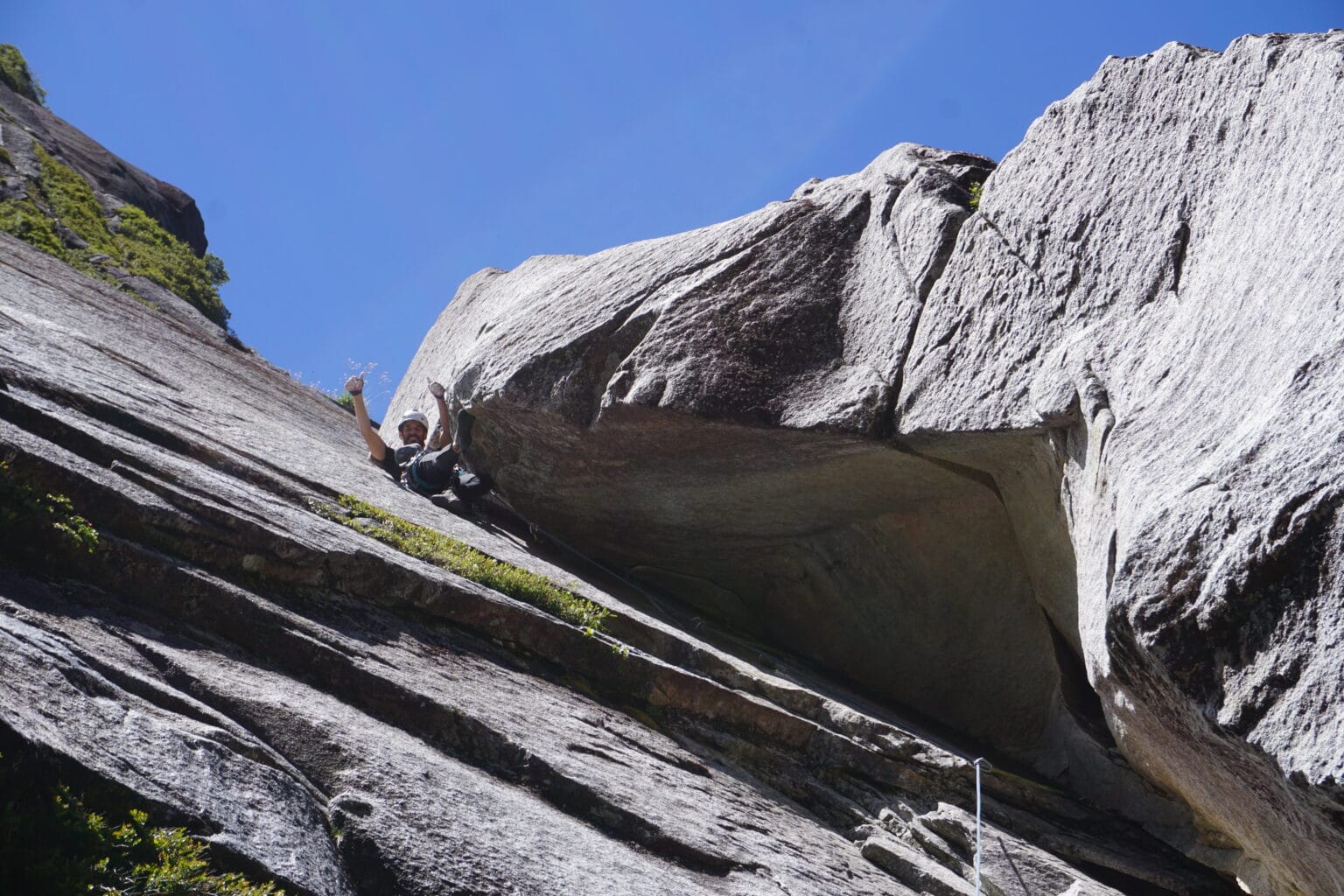
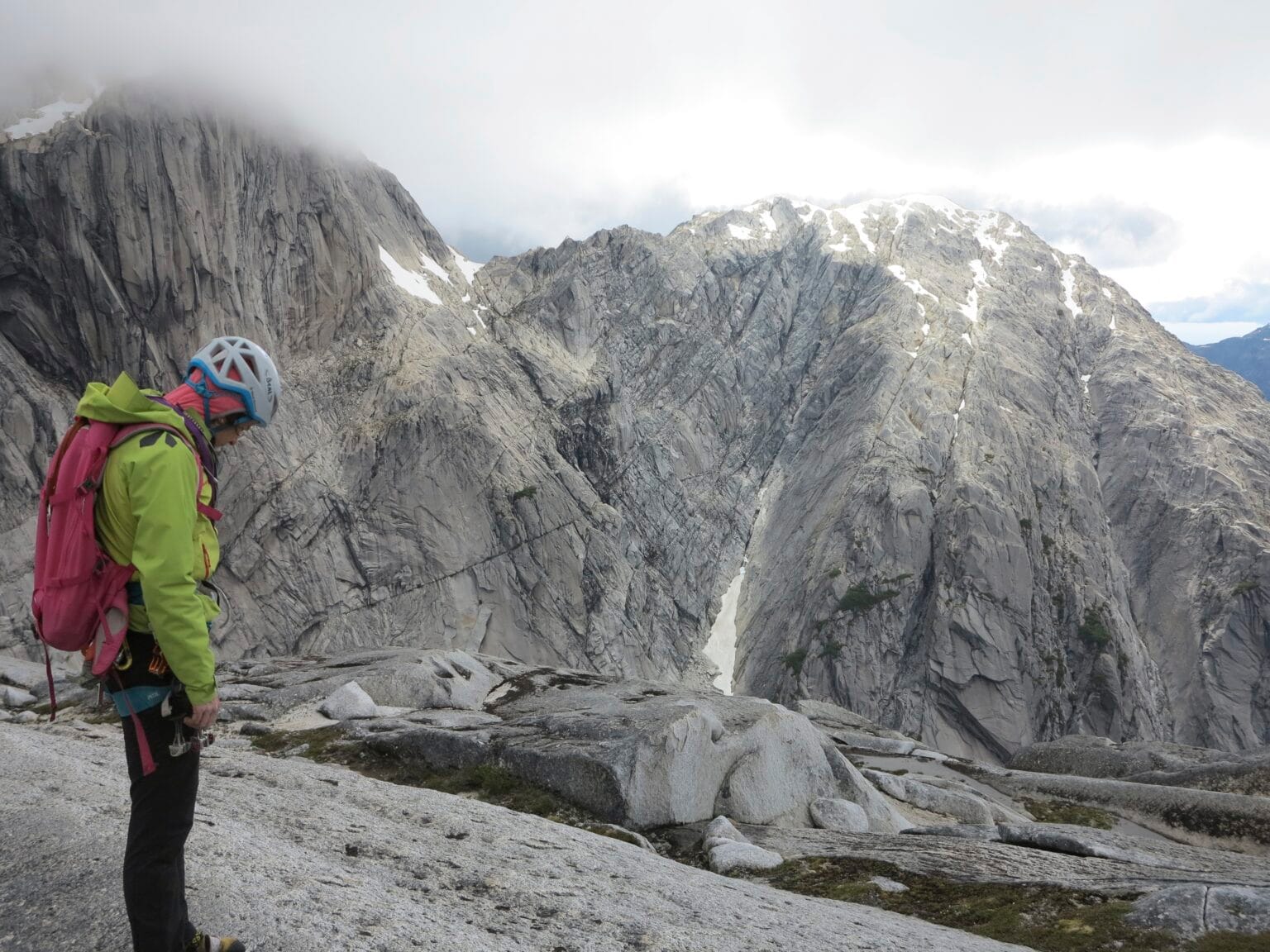
Cochamó is primarily known for long traditional climbing on granite.
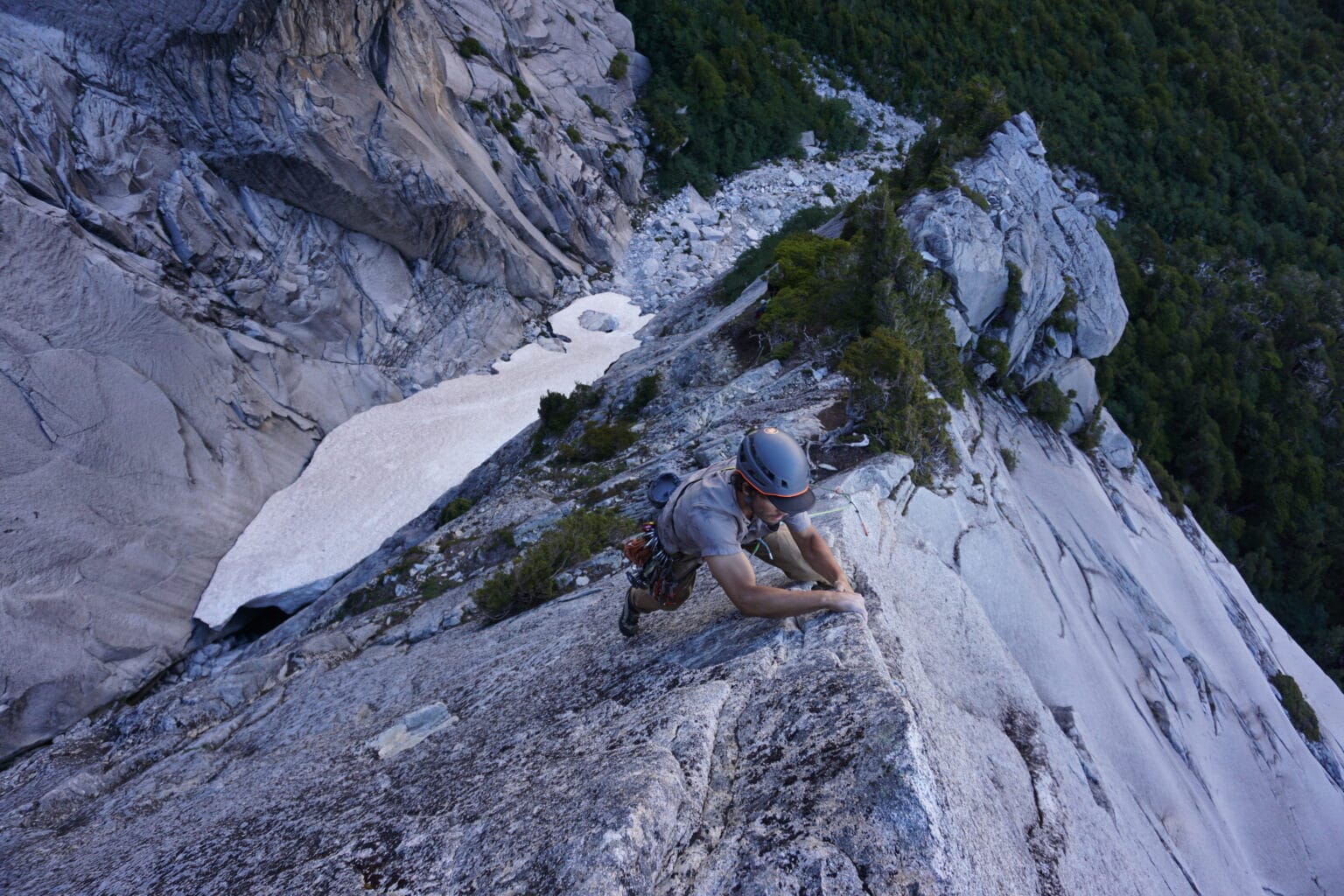
Routes can combine crack climbing, friction slabs, corners, chimneys and exposed face sections. The style may feel very different from sport climbing, where fixed protection is generally more frequent and retreat is often simpler.
The routes are not uniform. Some objectives are relatively approachable for climbers beginning to explore longer multi-pitch terrain, while others are serious big-wall undertakings suited to experienced teams.
A typical climbing day may include:
- An early departure from camp
- A forest or mountain approach to the wall
- Several hours of multi-pitch climbing
- Complex route finding
- A long descent or return to the valley
- Adjustments based on weather and conditions
For this reason, climbing grades alone do not describe the full difficulty.
A climber may be technically comfortable at the required grade but still need support with route selection, pacing, transitions, exposure and the overall management of a long day.
Cochamó rewards efficient teams, but it also rewards patience. Moving calmly and consistently is often more valuable than climbing at maximum difficulty
Is Cochamó suitable for your level?
You do not need to be an elite big-wall climber to experience Cochamó, but you should arrive with realistic expectations.
The valley is not an ideal place to learn basic climbing from zero. Even before reaching the routes, visitors must manage uneven trails, changing weather and a remote environment without immediate medical or rescue infrastructure. Local visitor information emphasizes that previous trekking experience, adequate preparation and self-sufficiency are essential.
Cochamó may be suitable for you if:
- You already have outdoor rock-climbing experience
- You are comfortable with multi-pitch exposure
- You have good general fitness for long approaches
- You can manage full days in changing conditions
- You understand that objectives may need to change
- You value the expedition as much as the climbing grade
You may need additional preparation if:
- You have only climbed indoors
- Your experience is limited to single-pitch sport routes
- You are uncomfortable with long approaches
- You expect guaranteed climbing every day
- You need easy access to services and transport
- Your priority is climbing as many routes as possible
A guided program can be adapted to different technical levels, but it cannot remove the physical and environmental realities of the valley.
The right objective is not necessarily the longest or hardest route. It is the route that fits the team, the conditions and the time available.
Why local knowledge and flexibility matter
In Cochamó, choosing the route is only one part of the decision.
Rain, humidity, visibility, trail conditions and the condition of the rock can significantly affect what is reasonable on a particular day. A famous route may not be the right route if its approach is saturated, its upper sections remain wet or the weather window is too short.
This makes flexibility more valuable than a rigid itinerary.
A local or experienced mountain guide can help evaluate:
- Which walls are likely to be dry
- Which objectives match the group’s level
- How long approaches and descents may take
- Whether the available weather window is sufficient
- When to continue, change routes or turn back
- How to combine climbing days with recovery days
The objective is not to force the original plan.
The objective is to make the best possible decision with the mountain conditions available.
This is especially important in a place where communications and external assistance may be limited. Cochamó’s own visitor guidance describes the valley as isolated and notes that there is no dedicated rescue or medical service available inside the area.
Good planning begins with accepting that the mountain—not the itinerary—sets the rhythm.
How much time should you spend in Cochamó?
A one-day visit may provide a view of the valley, but it does not represent the full climbing experience.
For climbers travelling from outside Chile, a multi-day expedition is usually more appropriate. This creates enough time to enter the valley, establish camp, climb several objectives and absorb possible weather delays.
Short program
A shorter expedition can work for climbers with a specific objective, strong fitness and previous multi-pitch experience.
It may include:
- Entry into the valley
- One or two climbing days
- A weather or alternative-activity window
- Departure from the valley
Extended program
A longer stay creates more flexibility and allows the group to explore different walls or styles of climbing.
It may include:
- Several full climbing days
- Rest and recovery time
- Alternative objectives based on conditions
- More room for weather-related changes
- A deeper experience of the valley
Current guided operators commonly structure Cochamó programs around approximately four to seven days in the valley, while longer expeditions of around ten days are also offered for a more complete climbing experience.
For most international visitors, adding contingency days is more valuable than compressing the itinerary.
The approach is part of the expedition
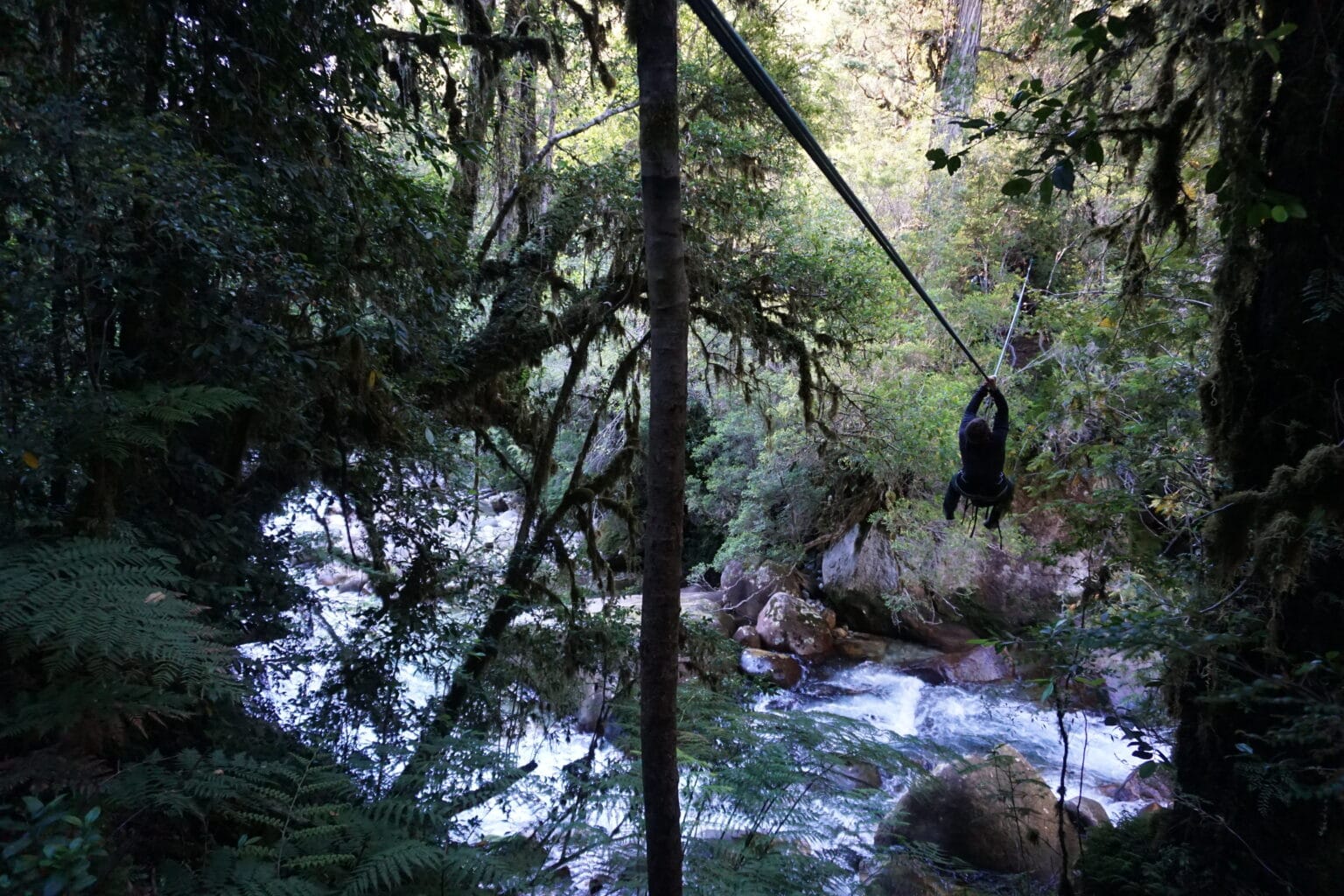
Cochamó’s main climbing zone is not accessed directly by vehicle.
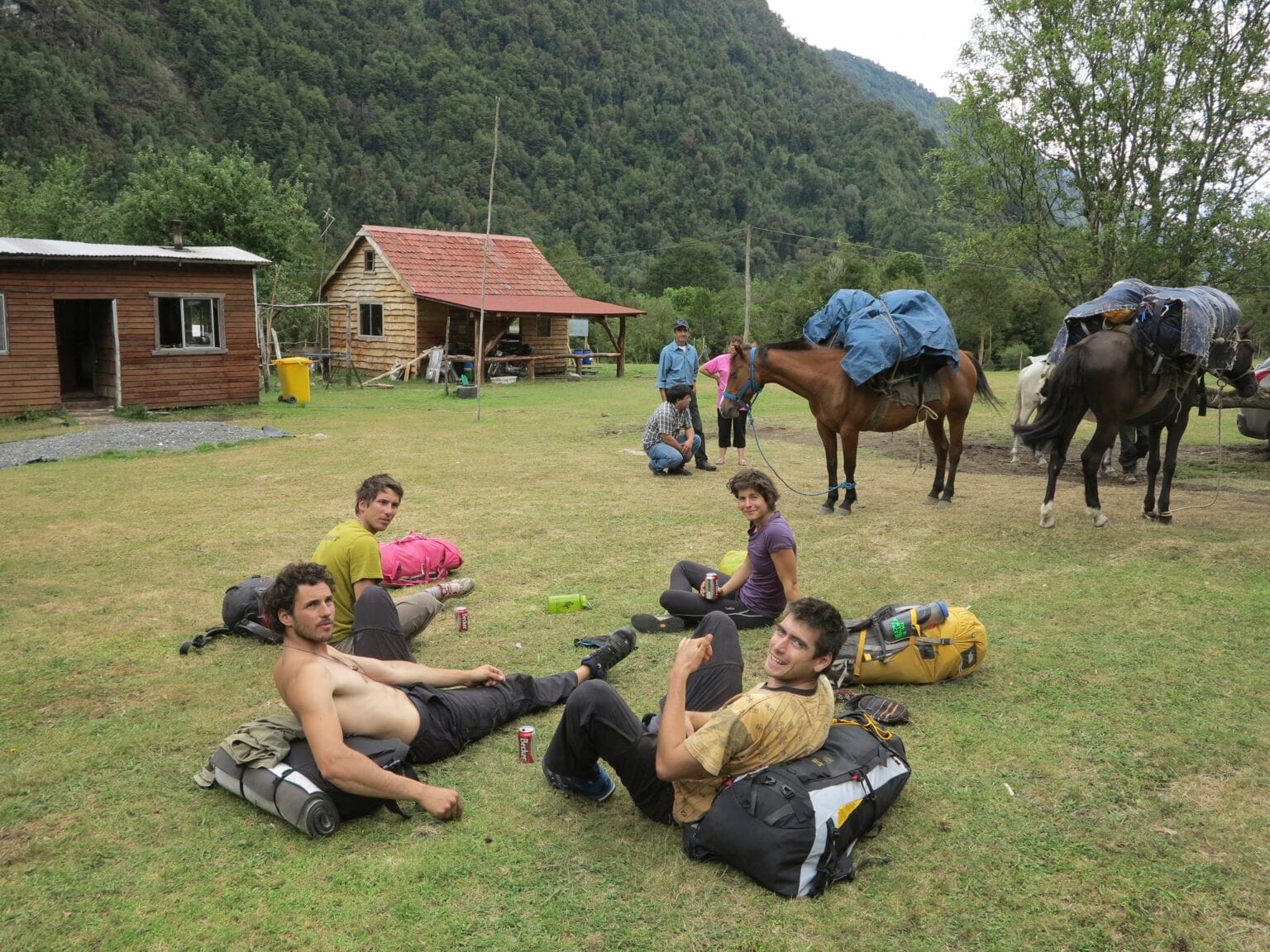
The journey continues on foot through the forest toward La Junta, the principal base area for climbers and trekkers. Accommodation and camping capacity are limited, and advance reservations may be required depending on the season and selected facility.
Equipment, food and personal items must therefore be planned carefully.
The approach also means that changing forgotten equipment, replacing damaged gear or leaving early can be more complicated than at a conventional climbing destination.
For some visitors, this may feel inconvenient.
For others, it is exactly what they came for: several days disconnected from roads and daily routines, living beneath the walls and organizing each day around weather, movement and climbing.
Climbing responsibly in Cochamó
Cochamó remains a sensitive natural and cultural landscape.
The valley’s conservation organizations work with landowners, local residents, tourism operators, indigenous communities and visitors to protect its natural and cultural heritage while promoting responsible tourism.
Every climbing group affects the valley through campsite use, waste, trail erosion, noise and pressure on limited infrastructure.
Responsible travel includes:
- Using established campsites and access routes
- Respecting reservation and visitor-capacity systems
- Carrying all waste out of the valley
- Avoiding unnecessary damage to vegetation
- Minimizing the impact of bivouacs
- Respecting local landowners and communities
- Following current conservation guidelines
The future of climbing in Cochamó depends on keeping its wild character intact.
Visiting the valley is not only about accessing the walls. It also means accepting responsibility for how that access is used.
Planning a guided climbing expedition
A successful Cochamó expedition begins with an honest assessment of the climber—not with choosing the most famous route.
Before defining the program, it is useful to understand:
- Your outdoor climbing background
- The grades you climb comfortably
- Your traditional and multi-pitch experience
- Your fitness for approaches and long days
- Your tolerance for exposure and remote environments
- The number of days available
- Whether climbing or the broader expedition is your priority
Based on this information, the itinerary can be built around realistic objectives and enough flexibility for the conditions.
At Andes Big Mountain, our Cochamó programs are designed as private or small-group climbing expeditions led by qualified mountain professionals.
The focus is not simply reaching a particular wall. It is managing the complete experience: logistics, route choice, group progression, changing conditions and responsible access to one of Chile’s most remarkable climbing environments.
Cochamó Rock Climbing Expedition
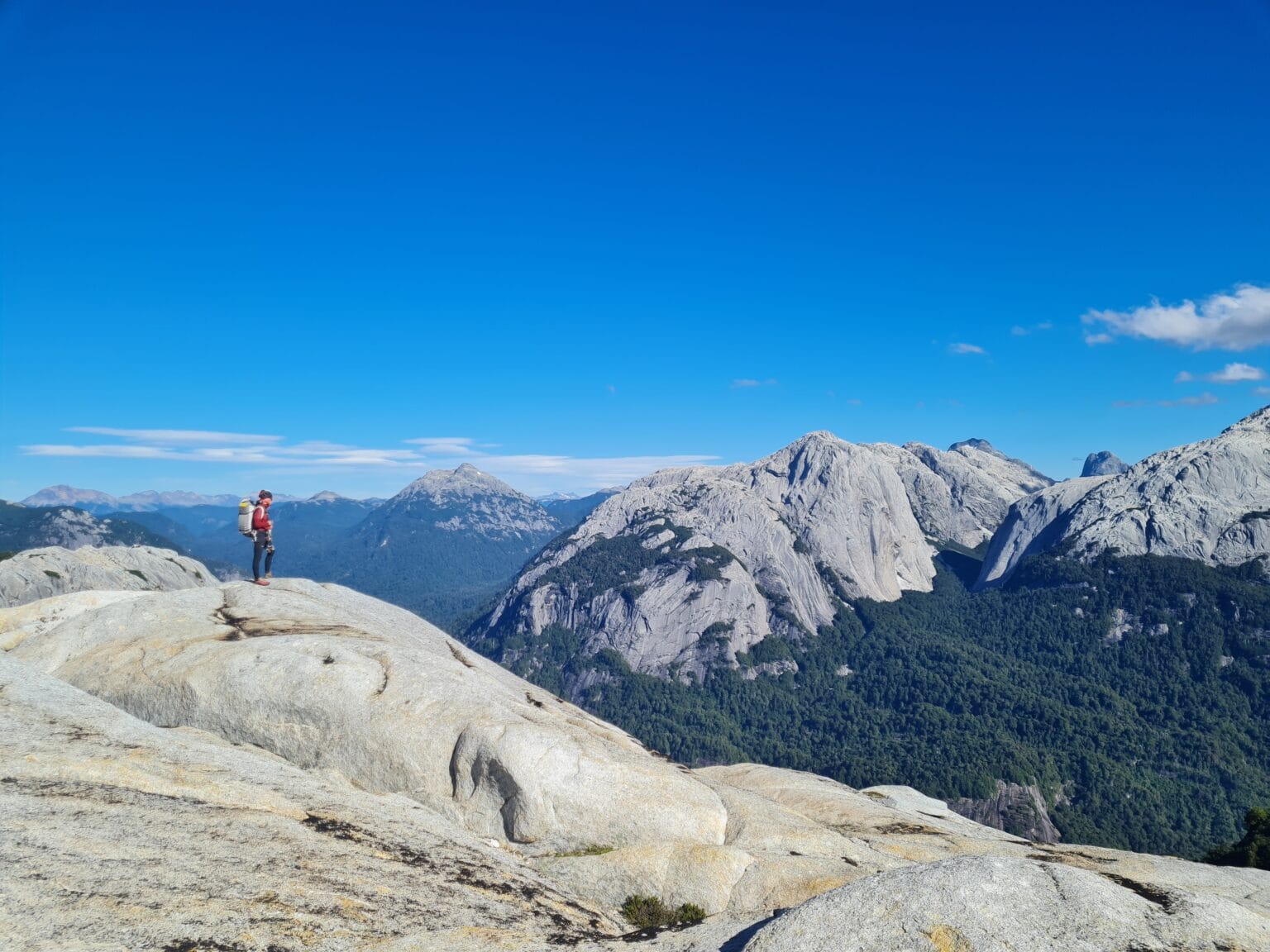
Explore the granite walls of northern Patagonia through a private program adapted to your experience and objectives.
- Guided multi-pitch rock climbing
- Private and small-group expeditions
- Route selection adapted to the team
- Camp and valley logistics
- Flexible objectives based on conditions
- Programs for experienced sport and traditional climbers
In Cochamó, the route is only part of the journey.